Basement Flooding Toronto: Causes, Cleanup and Prevention
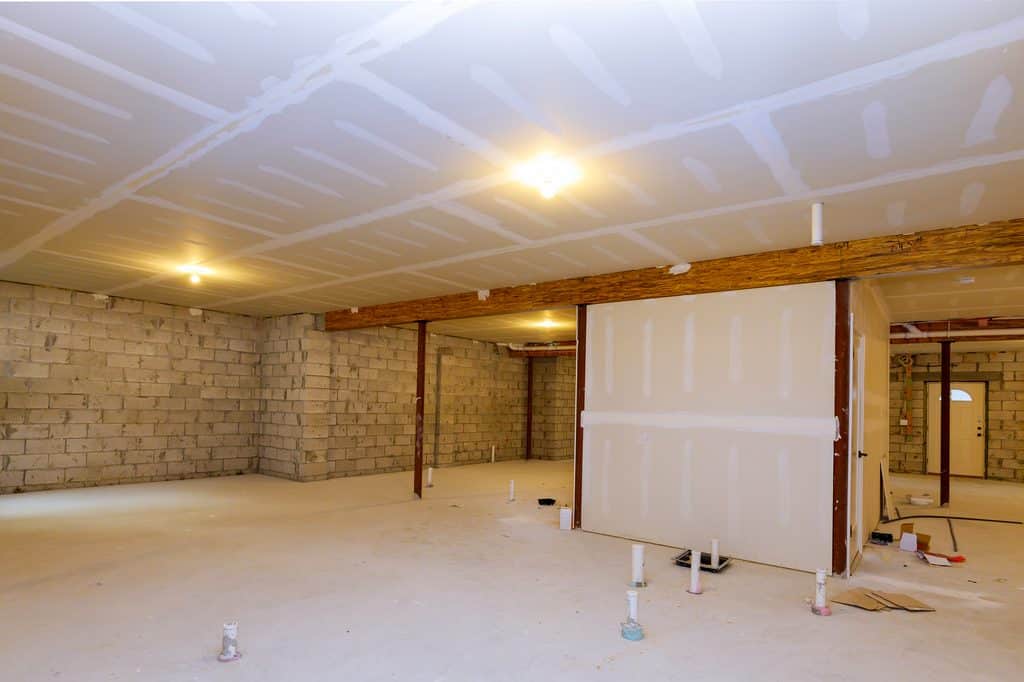
Basement flooding in Toronto is a serious concern for homeowners, particularly during heavy rain, snowmelt, or sewer system overloads. Water can ruin finishes and personal belongings. Appliances and electrical components may also be damaged. When the water comes from a drain or sewer line, contamination creates an additional health risk.
Choosing the right repair starts with tracing the water. Some floods begin outside the home when runoff collects around the foundation. Others originate in private plumbing or the drainage system. A sump pump that stops working can also allow groundwater to rise into the basement.
Dr. Pipe Drain and Plumbing provides basement flooding assistance to locate the source, limit further damage, and recommend an appropriate solution.
What is Basement Flooding?
Basement flooding occurs when water reaches the lowest level of a home. It may enter through the foundation, return through a sewer connection, or escape from damaged plumbing. The correct repair depends on where the water originated.
What to Do If Your Basement Is Flooding Now?
Stay away from standing water when electricity or sewage may be present. Photograph the damage from a safe location and contact Dr. Pipe for immediate flooding assistance.
Why Does Basement Flooding Happen in Toronto?
Toronto basement flooding often occurs when heavy rain exceeds the capacity of local drainage systems. The risk increases when runoff moves toward the home, wastewater returns through the sewer line, or the sump pump stops operating.
Toronto’s climate, dense development, and aging infrastructure all contribute to water entering basements. Intense rainfall can overwhelm municipal sewer lines before the water drains away. Water may then collect around the foundation or return through basement fixtures.
Large paved areas prevent rainwater from soaking naturally into the ground. The risk can be greater in older neighborhoods where combined systems carry stormwater and sanitary wastewater through the same pipes.
The July 2024 flash floods showed how quickly conditions can change. Severe rainfall across Toronto and southern Ontario caused widespread damage and more than $940 million in insured losses.
For Toronto homeowners, understanding how water moves around the property is the first step toward reducing flood risk. The condition of the private plumbing and the capacity of nearby sewers must also be considered.
What Are the Common Basement Flooding Causes?
The main basement flooding causes include water collecting around the foundation, sewer backup, plumbing failures, and sump pump problems.
Poor Drainage Around the Foundation
Runoff can collect beside basement walls when the yard slopes toward the house. Water may then enter through foundation cracks, window wells, or the floor-wall joint.
Sewer Backup During Heavy Rain
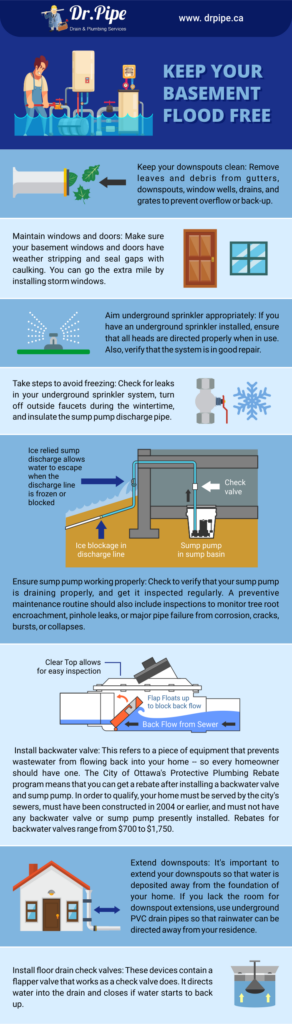
Overloaded sewers may force wastewater back through basement drains or fixtures. A backwater valve can support sewer backup prevention, but it will not stop water entering through the foundation.
Plumbing and Drain Problems
Burst pipes, damaged connections, or blocked drains can quickly flood a basement. Slow drainage from several fixtures may indicate a deeper problem in the main line.
Sump Pump Failure
Mechanical problems or a blocked discharge line can prevent the pump from removing groundwater. A power outage may also leave the basement unprotected during a storm.
Heavy Rain and Snowmelt
Heavy rain and rapid snowmelt can overwhelm municipal sewers and expose weaknesses in private drainage systems. A property may flood even without a previous history of water damage.
How Can You Prevent Basement Flooding in Toronto?
Effective basement flooding protection keeps runoff away from the foundation, maintains drainage equipment, and addresses the confirmed entry point.
Improve Drainage Around the Home
Grade the property away from the foundation and keep eavestroughs clear. Downspouts should release water at a safe distance from the house. Better-draining material may also help where GTA soil retains moisture.
Keep the Sump Pump Ready
Test the pump before rainy periods and make sure its discharge line remains clear. A battery backup can provide temporary protection during a power outage.
Address Waterproofing Weaknesses
Repair foundation openings before seepage spreads. The right solution may involve crack injection or a broader waterproofing system, depending on where the water enters. This can also support overall residential plumbing protection.
Add Early Water Detection
Smart sensors can warn homeowners when moisture first appears. They cannot stop a flood, but an early alert can reduce damage.
Review Toronto Flood-Protection Subsidies
The Toronto basement flooding protection subsidy may help eligible homeowners pay for approved work, including certain sump pump or backwater valve projects. Check the current requirements before starting.
Which Preventive Measure Do You Need?
- A backwater valve protects against reverse sewer flow.
- A sump pump manages groundwater.
- Waterproofing limits foundation seepage.
- Improved grading redirects runoff.
- Plumbing repair corrects an internal leak.
The source should be identified before major preventive work begins.
What Should You Do When Your Basement Floods?
Start by making the basement safe and recording the damage. Once the water source is identified, the affected area can be cleared and dried. Repairs should address the original cause before rebuilding begins.
No two flooding situations are identical. A proper assessment reveals how far the water has travelled and whether contamination is present. It also establishes what must be done to prevent further damage.
1. Make the Basement Safe
Do not enter standing water when it may be in contact with electrical equipment. Turn off the electricity only when the panel can be reached without stepping into the affected area.
Stay out of the basement when sewage or live power may be present. Personal safety takes priority over saving belongings or beginning water removal.
2. Document the Damage and Request Help
Photograph the water line before cleanup begins. Record any visible entry point and capture the condition of damaged rooms. Personal belongings should also be included when they may form part of an insurance claim.
Notify your insurer promptly. Contacting 311 may also be appropriate when a municipal sewer backup is suspected.
Dr. Pipe Drain and Plumbing provides flooding assistance for Toronto properties. Our team handles the immediate water response and investigates the plumbing or drainage problem behind it. Necessary repairs can then be completed before more damage occurs.
3. Determine the Water Category
The water category determines the required safety and cleanup measures.
- Clean water usually comes from a supply pipe, sink, or bathtub. It still requires prompt removal because mould can develop when materials remain wet.
- Grey water may result from an appliance overflow or another unsanitary source. Exposed materials may require professional cleaning or disposal.
- Black water contains sewage or serious contamination. Professional removal and disinfection are necessary because exposure can create health risks.
Treat water from an unknown source as contaminated until the cause is confirmed.
4. Find the Full Extent of the Damage
Visible water does not always show how far moisture has spread. Thermal imaging can reveal temperature differences linked to wet materials. A moisture meter provides more precise readings within walls or beneath flooring.
Minor flooding from a clean source may be removed with a pump or wet vacuum. Contaminated water should be handled by trained professionals.
A complete assessment prevents concealed dampness from being overlooked during cleanup.
5. Dry and Sanitize the Space
Fans and dehumidifiers should continue operating until testing confirms that the area is dry. Indoor humidity generally needs to remain between 30% and 50% to discourage mould growth.
Some porous materials cannot be saved once saturated. Damaged sections should be removed before contaminated surfaces are cleaned.
Drying is complete only when moisture readings confirm that the structure is ready. Surface appearance alone is not reliable.
6. Match the Repair to the Cause
The homeowner should receive a clear explanation of why the flooding occurred. The proposed work should then address that specific problem.
For example, a blocked drain requires a different response from foundation seepage. A failed sump pump cannot be corrected through waterproofing alone.
Installing equipment without confirming the source may leave the property vulnerable. A cause-specific repair reduces the risk of paying for a solution that does not prevent another flood.
How Is a Flooded Basement Cleaned and Restored?
Restoration involves correcting the source, drying the affected space, cleaning contaminated surfaces, and replacing materials that cannot be saved.
Structural Repairs
Foundation cracks may require epoxy injection or another repair suited to the water entry point.
Replacement Materials
Saturated drywall, flooring, or insulation may need removal. Mould-resistant materials can provide better protection when the basement is rebuilt.
Basement Flood Repair Costs
Limited repairs may cost between $2,000 and $5,000, while extensive restoration can exceed $10,000. The final price depends on how far the water spread and what needs to be replaced.
Reconstruction should begin only after the source has been corrected and moisture readings confirm that the structure is dry.
Dr. Pipe Drain and Plumbing can manage the flooding response, address the related plumbing issue, and recommend measures to reduce the risk of repeat damage.
Basement Flooding Assistance Across Toronto and the GTA
Dr. Pipe provides GTA plumbing services for emergencies across Toronto and surrounding communities. Whether you need help with a flooded basement in Vaughan, basement flooding cleanup in North York, or another GTA location, our team identifies the source before beginning cleanup and repairs.
What Provides Long-Term Basement Flooding Protection?
Long-term protection combines source-specific repairs with regular property maintenance.
- Use Municipal Support: Eligible Toronto homeowners may qualify for financial assistance for approved flood-prevention work.
- Arrange Seasonal Inspections: Regular checks can reveal foundation damage or unreliable equipment before heavy rain and snowmelt.
- Control Surface Runoff: Rain gardens, permeable surfaces, and suitable landscaping can help direct water away from the home. Drainage should also be reviewed after paving, construction, or major exterior changes.
Contact Dr. Pipe Drain and Plumbing for recommendations based on the flood source and your property’s drainage conditions.
Why Choose Dr. Pipe for Toronto Basement Flooding?
Dr. Pipe combines 24/7 flooding assistance with plumbing and drainage expertise, helping homeowners address both the immediate damage and its source.
We serve Toronto and the GTA, with recommendations based on the property’s condition and local flood risks.
For urgent basement flooding, contact Dr. Pipe to arrange an assessment and limit further damage.
As you can see, there are many different reasons as to why you might struggle with Toronto basement flooding. If you do have these problems, it is always a good idea to have the qualified professionals at Dr. Pipe Drain and Plumbing Services take a look for you. This is going to ensure that these problems are not only dealt with quickly, but .
Let Dr. Pipe Drain and Plumbing Solve Your Plumbing Problems
Dr. Pipe is fully insured and licensed. With many years of experience serving our clients in Ontario, we’ve built a clean reputation. Our workers are also both certified and experienced. Therefore, you can trust us to do it right the first time.
Frequently Asked Questions About Basement Flooding in Toronto
What should I do first if my basement floods?
Stay out when sewage or electrical hazards may be present. Take photos from a safe location and call Dr. Pipe for flooding assistance. Acting early can limit the spread of water and reduce the amount of restoration required.
Who should I contact after basement flooding?
Notify your insurer and contact Dr. Pipe for flooding assistance. Call 311 when the incident may involve a municipal sewer problem.
How much does flooded basement cleanup cost in the GTA?
A smaller incident may cost around $2,000 to address. Extensive restoration can exceed $10,000 when water reaches a larger part of the basement. The final amount also depends on how long materials remained wet.
Does home insurance cover basement flooding?
Coverage depends on how the water entered and which endorsements are included in the policy. Sewer backup and overland flooding may require additional protection.
Is basement flooding always caused by a sewer problem?
No. Some floods begin with a leaking pipe or failed sump pump. Others enter through the foundation because water is collecting outside the home. Dr. Pipe identifies the cause before recommending work.
Why does my basement still smell after drying?
A persistent odour may indicate trapped moisture. It may also come from material that was not properly cleaned after contamination. Moisture testing can reveal areas that still require attention.
Can a backwater valve prevent every basement flood?
No. A backwater valve protects against reverse sewer flow. It cannot stop water entering through the foundation or compensate for a failed sump pump.
Can the flooding source be found after the water is gone?
Yes. Moisture patterns may show where the water travelled. Plumbing and drainage inspections can provide additional evidence after visible water has disappeared.
When is it safe to rebuild a flooded basement?
Rebuilding can begin after the source has been corrected and testing confirms that the structure is dry. Surface appearance alone is not enough.
What happens if the sump pump loses power during a storm?
A standard sump pump stops during a power outage. A suitable battery backup can continue operating temporarily and provide additional protection.